Order Bac Water Can I buy bacteriostatic water at CVS or Walgreens?
\nCan I Buy Bacteriostatic Water at CVS or Walgreens? A Candid Retail Guide
\n\n\n\n
For many men over the age of 55, managing health at home becomes a more structured routine. Whether you are navigating prescribed hormone optimization, managing specific age-related therapeutic peptides, or utilizing targeted wellness protocols, many modern treatments require you to mix your own medications. This process, known as reconstitution, demands a highly specific type of sterile liquid. Naturally, when looking for medical supplies, your first instinct is to head to the nearest neighborhood pharmacy. This leads to a very common logistical question: Can I buy bacteriostatic water at CVS or Walgreens?
\n\nThe short answer is rarely as straightforward as a simple yes or no, and arriving at the pharmacy counter unprepared often leads to confusion or empty hands. Retail pharmacies prioritize high-volume prescription medications and standard over-the-counter goods. Specialized diluents, despite being essential for certain therapies, occupy a unique regulatory niche. This article provides an objective, consumer-first evaluation of what you will actually experience trying to buy bacteriostatic water at CVS or Walgreens, what alternatives exist, and how to protect your health and budget.
\n\nWhat Bacteriostatic Water Is and Who It Might Fit Best
\nBacteriostatic water for injection is sterile water that contains a specific concentration of benzyl alcohol (typically 0.9%). The addition of this alcohol serves a critical purpose: it acts as a bacteriostat, meaning it inhibits the growth and replication of potential bacterial contaminants. This compound is specifically engineered for multi-dose vials, allowing a user to insert a needle into the vial multiple times over a designated period (usually up to 28 days) to draw out doses without exponential bacterial growth occurring inside the liquid.
\n \nThis product fits best for individuals who have been prescribed therapeutic regimens that require gradual utilization of a single reconstituted vial over several weeks. For a man over 55 who might be administering a micro-dose of a prescribed compound two or three times a week, a multi-dose sterile solution is virtually mandatory for safety. It is not intended for single-use large-volume fluid replacement, nor is it suitable for individuals who have a known sensitivity to benzyl alcohol. Understanding this distinction is key to communicating effectively with pharmacy staff.
\n\nPractical Benefits and Where It Falls Short
\nThe primary benefit of genuine bacteriostatic water is convenience and cost-efficiency over a multi-week period. Without a bacteriostatic agent, regular sterile water must be discarded immediately after a single use because once the vial’s seal is punctured, ambient bacteria can enter and multiply rapidly, creating a serious infection risk upon subsequent injections.
\n \nHowever, where it falls short is its highly restricted retail availability and the strict safety parameters required to use it correctly. To illustrate how this plays out in the real world, let us look at two distinct consumer experiences.
\n\n\n A Successful, Patient Routine: John, a 58-year-old retired engineer, was prescribed a lyophilized hormone therapy by his urologist. The prescription included a specific order for a 30mL vial of bacteriostatic water. John took his physical prescription directly to his local Walgreens. The pharmacist did not have it on the open shelves, nor was it in their immediate back-stock. However, because John had a valid prescription from a licensed in-state physician, the pharmacist was able to look up the item in their wholesale distribution system and place a special order. It arrived two days later, costing John a $15 copay. For John, the system worked, but it required planning ahead.\n\n\n
\n A Costly and Frustrating Failure: Robert, a 62-year-old fitness enthusiast, decided to purchase an over-the-counter wellness peptide online. Assuming he could pick up the mixing liquid easily, he walked into a local CVS and asked the technician, "Can I buy bacteriostatic water at CVS or Walgreens over the counter?" The technician looked confused and directed him to the eye-care section, mistaking it for saline solution. When Robert finally spoke to the head pharmacist, he was informed that without an active prescription linked to a specific medication, the pharmacy policy strictly prohibited selling multi-dose bacteriostatic water due to corporate compliance rules. Robert wasted an afternoon driving to multiple locations, only to realize he could not obtain what he needed via standard retail channels without formal medical documentation.\n\n\n
 \n
\n What Research Suggests and What It Doesn\'t
\nClinical guidelines and pharmaceutical research emphasize that benzyl alcohol at a 0.9% concentration is highly effective at suppressing bacterial proliferation for a window of 28 days when stored at room temperature or refrigerated properly. However, medical literature is equally clear about the limitations: bacteriostatic water does not actively sterilize a contaminated environment; it merely prevents further growth. If a non-sterile needle introduces a massive viral or bacterial load into the vial, the preservative can be overwhelmed.
\n \nFurthermore, research notes that bacteriostatic water must never be used for neonatal therapies due to the risk of benzyl alcohol toxicity in infants, nor should it be used for epidural or intrathecal injections. For older adults, local site irritation can occasionally occur if the solution is mixed improperly or if an individual possesses an undiagnosed sensitivity to the preservative agent. It is a tool for stabilization, not a medicine or a treatment in its own right.
\n\nIngredients, Formats, and Quality Signals
\nWhen searching for this product, you must know what specific details to look for on the label to verify authenticity. True bacteriostatic water consists of only two ingredients:
\n- \n
- High-purity sterile water (H2O): Prepared via distillation or reverse osmosis to remove all dissolved solids and microorganisms. \n
- Benzyl Alcohol (0.9% / 9mg per mL): The precise volume required to safely preserve the solution without degrading standard water-soluble medications. \n
The standard format available in the medical marketplace is typically a 10mL or 30mL plastic or glass vial with a flip-top aluminum cap covering a self-healing rubber stopper. Quality signals include a clear indication of a USP (United States Pharmacopeia) designation, a distinct lot number, a clearly printed expiration date, and an intact, tamper-evident seal. If a label reads "For research use only" or lacks an expiration date, it indicates the product has bypassed standard medical manufacturing oversight.
\n\nComparison of Common Options
\nTo help you navigate your options when your local CVS or Walgreens falls short, consider how different liquid formats compare across utility, cost, and availability:
\n\n| Format | \nTypical Dose/Use | \nPros | \nCons | \nCost | \nBest For | \n
|---|---|---|---|---|---|
| Bacteriostatic Water (USP) | \n1ml to 3ml per reconstitution; 10ml/30ml vials. | \nMulti-use up to 28 days; safe for home protocols. | \nRequires prescription at major retail outlets. | \n$10 - $25 per vial | \nMulti-dose peptide or hormone protocols. | \n
| Sterile Water for Injection | \nSingle-use ampoules (1ml - 10ml). | \nNo preservative irritation; easier to find behind counter. | \nMust discard immediately after opening one time. | \n$2 - $5 per ampoule | \nSingle, immediate large-dose administrations. | \n
| Sterile Saline (0.9% NaCl) | \nVaries; often used for intravenous flushes. | \nMaintains precise osmotic balance with blood. | \nCan cause certain peptides to precipitate out. | \n$5 - $15 per pack | \nSpecific medications explicitly calling for saline. | \n
| Online Direct Medical Supply | \nBulk or individual 30ml vials available. | \nShipped directly to home; no long pharmacy lines. | \nRequires verifying vendor credentials to avoid fakes. | \n$12 - $30 + shipping | \nConsumers seeking a reliable, recurring supply. | \n
| Distilled Bottled Water | \nGrocery store jugs (Not for injection). | \nExtremely cheap; available anywhere. | \nNon-sterile. High risk of severe infection. | \n$1 - $3 per gallon | \nCPAP machines or humidifiers only; never inject. | \n
Buying Framework and Red Flags
\nIf you need to source this product safely, follow this methodical consumer checklist before handing over your money:
\n \nThe Consumer Sourcing Checklist
\n- \n
- Check State Laws First: States like New York, New Jersey, and California strictly require a doctor\'s prescription for any injection supplies, including diluents. Knowing your state\'s stance saves time at the counter. \n
- Call the Pharmacy Ahead: Do not just walk into CVS or Walgreens. Call and ask specifically for the "pharmacy manager" and ask if they have multi-dose bacteriostatic water in stock or if their primary distributor (such as McKesson or Cardinal Health) allows them to special order it. \n
- Inspect the Outer Packaging: Look for a secure, shrink-wrapped cap or a crisp aluminum seal. Any signs of moisture around the stopper indicate a critical failure. \n
- Verify the USP Certification: True medical-grade water explicitly features the "USP" designation on the front label, confirming it was manufactured under strict federal regulations. \n
Conversely, be highly alert to these major online red flags: deeply discounted bulk deals from unverified websites, labels that read "for laboratory use only" or "not for human use," and domestic vendors shipping from residential addresses or hiding behind generic PO boxes without clear customer service channels.
\n\n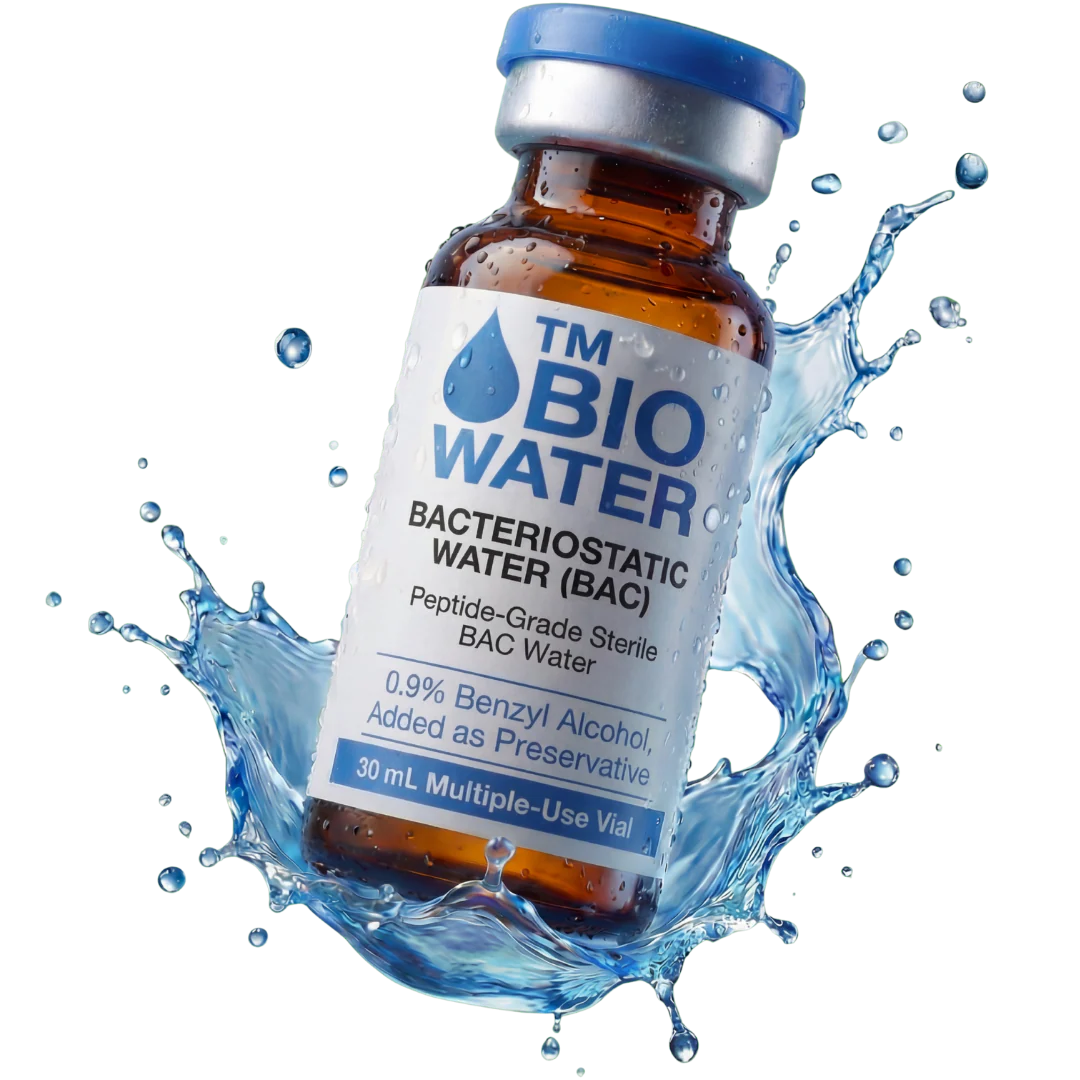 \n
\n Common Mistakes and How to Avoid Them
\nThe most frequent error made by consumers is assuming that all clear liquids in a medical vial are interchangeable. Many individuals mistakenly purchase "Sterile Water for Injection" thinking it will last for a month. Using single-dose sterile water for multiple draws over weeks introduces ambient air contaminants, creating a breeding ground for microorganisms that can lead to local abscesses or systemic infections.
\n \nAnother common mistake is attempting to manufacture a DIY version at home by mixing over-the-counter benzyl alcohol with boiled or distilled store-bought water. Achieving the exact 0.9% sterile ratio without professional laboratory equipment is virtually impossible. This shortcut often causes severe burning sensations at the injection site or introduces microscopic particulate matter directly into your tissues. To avoid this, always view medical diluents as an non-negotiable component of your treatment budget, requiring the same standard of sourcing as the medication itself.
\n\nFAQ
\n \nIs it proven that bacteriostatic water can be bought over the counter at retail pharmacies?
\nNo, it is not universally proven or guaranteed. While a few independent pharmacies may sell it over the counter depending on flexible state-level guidelines, major corporate chains like CVS and Walgreens overwhelmingly restrict bacteriostatic water to prescription-only or special-order status behind the pharmacy counter to comply with strict internal risk-mitigation policies.
\n\nHow long does it take for a special pharmacy order to arrive if I request it?
\nIf your local pharmacist agrees to order it through their primary distribution network, it typically takes 24 to 48 hours on standard business days. It is wise to initiate this request at least a week before your current supply runs out to account for potential shipping delays or wholesale stock shortages.
\n\nAre there any notable side effects associated with the benzyl alcohol preservative?
\nYes, while generally well-tolerated in tiny amounts, the 0.9% benzyl alcohol can cause localized redness, a mild stinging or burning sensation, or temporary swelling at the injection site. If you develop systemic rashes, hives, or severe pain, it may indicate an allergy or sensitivity to the preservative, requiring a consultation with your physician.
\n\nCan it combine with all types of therapeutic peptides and dry powder medications?
\nIt cannot combine safely with every medication. While it is the industry standard for most robust peptides and hormones, certain delicate proteins or specific vaccine components can be denatured or rendered inactive by the benzyl alcohol. Always check the manufacturer\'s insert for your specific medication to verify whether bacteriostatic water or standard sterile saline is the recommended diluent.
\n\nWhat are the safety differences regarding oral vs injection/alternative uses for this water?
\nBacteriostatic water is specifically manufactured, filtered, and ph-balanced for parenteral (injection) use. It offers no practical benefit for oral consumption, as your stomach acid immediately neutralizes the small amount of preservative. Conversely, using non-injection alternative waters (like basic distilled or filtered drinking water) for an injection is incredibly dangerous due to the absence of verified sterility.
\n\nA Practical 2-Week Experiment Framework
\nIf you are transitioning to an at-home protocol and need to establish a safe, efficient routine for acquiring and tracking your supplies, consider using this structured two-week tracking framework to identify issues early:
\n \n- \n
- Week 1 (Days 1–3): Logistics & Sourcing Audit\n
Call your local CVS and Walgreens locations. Ask the pharmacy manager directly about their specific stock of multi-dose vials. If they deny the request, locate a verified, accredited medical supply company online and verify their shipping timelines. Place your order immediately so it arrives before your medications require mixing.\n \n - Week 1 (Days 4–7): Delivery & Initial Inspection\n
Upon receiving your vial, perform a visual quality check. Inspect the cap integrity, verify the "USP" designation, and record the exact expiration date on a calendar. Store the vial in a cool, dark place away from direct sunlight and fluctuating temperatures.\n \n - Week 2 (Days 8–14): Implementation & Cleanliness Tracking\n
When using the vial for the first time, write the date of the initial puncture directly onto the bottle label using a permanent marker. This starts your strict 28-day countdown clock. Every time you draw from the vial, log whether you experience any localized skin irritation or burning. If local site redness persists past 24 hours, pause use and contact your provider to evaluate if a different diluent or alternative format is needed.\n \n
\n\n
About the Author
\nMarcus Vance is a veteran healthcare logistics analyst and consumer advocate specializing in home medical supplies and pharmacy accessibility solutions for older adults. With over 14 years of experience tracking retail pharmaceutical trends and verifying medical supply chain integrity, Marcus focuses on translating complex regulatory guidelines into clear, actionable advice for consumers navigating independent health management.
\n \nDisclaimer: The information provided in this article is for educational and informational purposes only and does not constitute professional medical advice, diagnosis, or treatment. Always consult with a qualified physician or healthcare provider regarding any medical condition, prescription requirements, or changes to your therapeutic protocols. The author does not endorse specific retail chains or commercial brands mentioned herein.
\n\n
Discussion